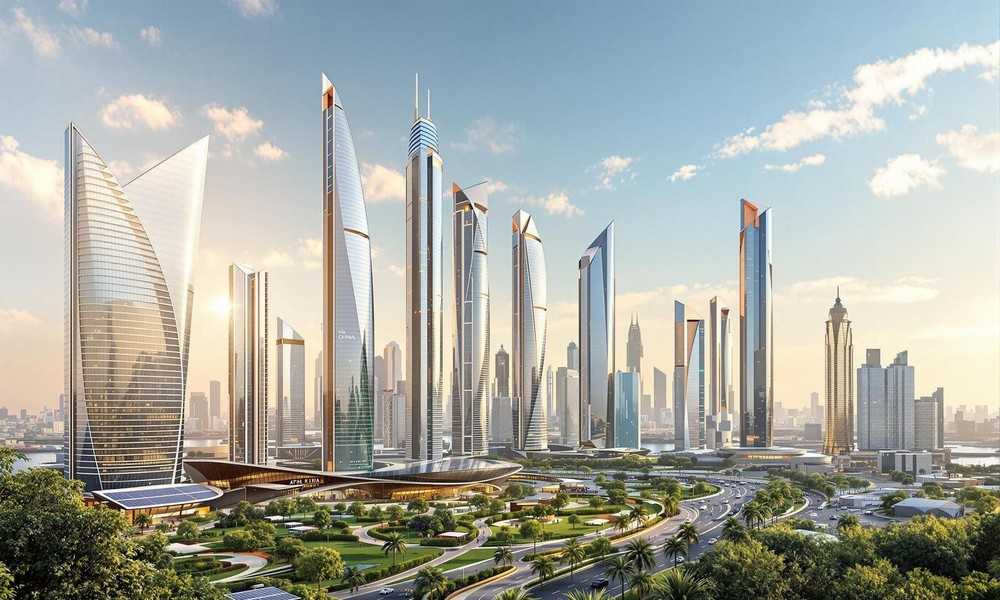

The Middle East has become one of the most closely watched real estate markets in the world. Cities across the Gulf region are experiencing rapid urban development, large-scale infrastructure investment, and increasing foreign participation in property markets. From residential towers in Dubai to mixed-use developments in Riyadh, real estate is no longer viewed only as a long-term asset class. It has evolved into a dynamic sector connected to broader financial markets and regional economic transformation.
Investors are paying attention because the region is diversifying beyond oil revenues and encouraging international capital inflows. Governments across the Gulf Cooperation Council have introduced reforms that support foreign ownership, modernise financial regulations, and ambitious national development plans. These shifts are creating new opportunities not only for property buyers but also for traders and market participants who follow listed real estate companies and sector performance across regional stock exchanges.
Economic Diversification Is Driving Real Estate Growth
One of the main reasons for the expansion of real estate trading opportunities in the Middle East is the region’s long-term commitment to economic diversification. Countries such as Saudi Arabia and the United Arab Emirates have launched national transformation programs focused on tourism, technology, logistics, and infrastructure. Real estate development plays a central role in supporting these initiatives, creating sustained demand for commercial, residential, and hospitality projects.
Financial analysts and international institutions have consistently noted the importance of infrastructure and urban development in the Gulf’s future growth plans. Mega projects, smart cities, entertainment districts, and tourism hubs are reshaping the investment landscape. As these developments progress, publicly listed real estate companies are attracting greater attention from investors seeking exposure to regional expansion without directly purchasing physical property.
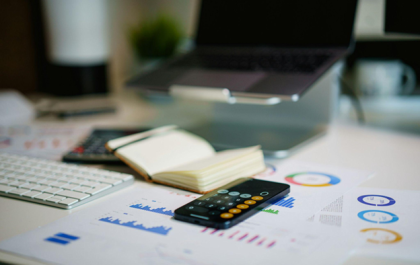
This environment has increased trading activity surrounding real estate-related equities. Investors now monitor market indicators, construction activity, and developer performance more closely than ever before. Interest in metrics such as the Dar Al Arkan share price reflects how regional property companies are becoming part of broader investment strategies tied to Middle Eastern economic growth.
Technology and Regulation Are Opening New Doors
Digital transformation has also changed how investors engage with Middle Eastern real estate markets. Online trading platforms, mobile investment tools, and improved access to market data have made it easier for both local and international participants to follow listed developers and property-related assets. What was once considered a highly localised market is now increasingly connected to global investment trends.
Regulatory improvements have further strengthened investor confidence. Several Gulf nations have introduced reforms designed to improve transparency, encourage foreign investment, and modernise property ownership structures. In markets such as Dubai and Riyadh, authorities have streamlined processes related to real estate transactions, licensing, and financial reporting. These developments support healthier market conditions and contribute to increased trading activity surrounding the sector.
Institutional investors are also showing stronger interest in Middle Eastern property markets. Real estate investment trusts, large-scale development funds, and sovereign-backed projects have added more depth to regional exchanges. As market participation expands, real estate stocks are becoming more visible to traders who previously focused mainly on energy or banking sectors within the region.
Tourism and Population Growth Continue to Support Demand
Tourism growth remains a powerful driver behind the expansion of real estate opportunities across the Middle East. Major international events, entertainment investments, and cultural initiatives are bringing millions of visitors to Gulf countries each year. This creates sustained demand for hotels, serviced apartments, retail developments, and mixed-use communities designed to accommodate rising visitor numbers.
Population growth and urbanisation are also influencing property development trends. Younger populations, expatriate communities, and rising employment opportunities continue to increase housing demand in key metropolitan areas. Governments are investing heavily in transportation systems, business districts, and public infrastructure to support expanding urban centres. These efforts create ripple effects throughout the broader real estate sector.
For traders and investors, these conditions help establish long-term confidence in property-related companies. Market participants increasingly analyse how tourism performance, migration patterns, and infrastructure spending affect the valuation of listed developers. Rather than focusing solely on property ownership, many investors are turning toward real estate equities as a more flexible way to participate in regional growth.
Conclusion
The expansion of real estate trading opportunities across the Middle East reflects much more than a temporary market trend. It represents a structural transformation driven by economic diversification, urban development, technological progress, and stronger international investment participation. As Gulf nations continue investing in infrastructure, tourism, and smart city initiatives, the real estate sector is likely to remain one of the region’s most closely watched industries.
For investors and traders, the Middle East offers a unique combination of growth potential and market evolution. Real estate-related equities are becoming an increasingly important part of regional financial markets, providing exposure to some of the world’s most ambitious development projects. As the region continues to modernise and attract global attention, opportunities connected to Middle Eastern real estate are expected to expand even further in the years ahead.