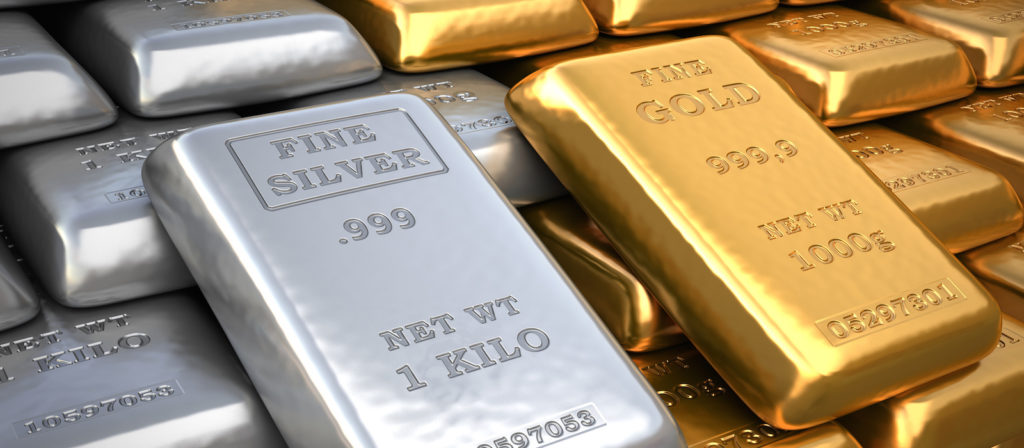

Gold ETFs and Silver ETFs are becoming essential tools for investors seeking to diversify portfolios with stable, valuable assets. Unlike traditional investing methods, these ETFs allow investors to participate in precious metals markets without handling physical bullion. The convenience, regulatory oversight, and trading flexibility make these investment products highly attractive in today’s financial landscape.
Gold ETFs: A Shield Against Market Uncertainty
ETFs are designed to mirror the price of gold, providing traders with a protective asset for the duration of unstable marketplace conditions. Investors searching for to guard wealth often turn to gold, as it continues to hold value even if stock markets are down. These ETFs dispose of storage issues and offer clean access through brokerage accounts. For long-term buyers, gold serves as a hedge in opposition to inflation and forex fluctuations, making sure that purchasing energy is preserved.
Silver ETFs: Capitalising on Industrial Demand
ETFs provide buyers with exposure to a metal for each funding and business use. The call for silver in electronics, solar energy, and medical equipment can extensively have an effect on its price. Investors interested in a metal that can benefit from a monetary boom while keeping valuable steel traits may additionally locate silver ETFs appealing. The better volatility of silver compared to gold provides both opportunities and dangers, making it appropriate for buyers with a moderate to high-risk appetite.
Strategic Allocation in Precious Metals
Incorporating both gold and silver right into a portfolio can optimize risk-adjusted returns. Gold offers stability and lengthy-term security, whereas silver introduces ability for higher profits due to commercial demand. Investors must investigate macroeconomic signs, commodity tendencies, and deliver-demand fundamentals earlier than figuring out the allocation between these metals. Strategic timing can enhance the effectiveness of investments in both gold and silver ETFs.
Benefits of ETF Investment
Investing in ETFs avoids many logistical problems of bodily metals, including storage and insurance fees. Precious metallic ETFs offer liquidity, permitting traders to fast input or go out positions. Transparency in holdings ensures investors understand precisely what they own, which is important for trust and compliance. They can serve as a complement to stocks, bonds, and different conventional funding avenues, improving portfolio diversification and lowering common risk exposure.
Risk Management
While precious metal ETFs are much less bulky than physical holdings, they nevertheless convey market dangers. Prices differ in response to global monetary factors, geopolitical events, and investor sentiment. Silver, because of its commercial use, may be riskier. Investors ought to compare fee ratios and tax implications while preserving a long-time period angle to navigate these risks efficiently.
Conclusion
Gold and Silver ETFs offer a practical, secure, and flexible course to making an investment in precious metals. By knowing the traits and market dynamics of every metal, traders can construct a varied portfolio that balances stability and potential increase. With careful planning, those ETFs can defend wealth, lessen portfolio volatility, and function as a cornerstone of a well-rounded funding method.